Evaluating Abstract Patterns 10 Pages 7: A Practical Review for Creatives and Designers
When building a visual library or sourcing unique design elements, the quality and versatility of your assets matter. Abstract Patterns 10 Pages 7 is a downloadable resource created by Davina Danvers that combines hand-drawn abstract patterns with a structured, print-friendly format. This package includes one PDF file containing ten illustrations scaled at 8.5×11 inches, plus ten corresponding JPG files at 300 DPI resolution. Understanding what this collection offers—and where it may fall short—can help you decide whether it fits your specific creative or professional needs.
What Abstract Patterns 10 Pages 7 Delivers
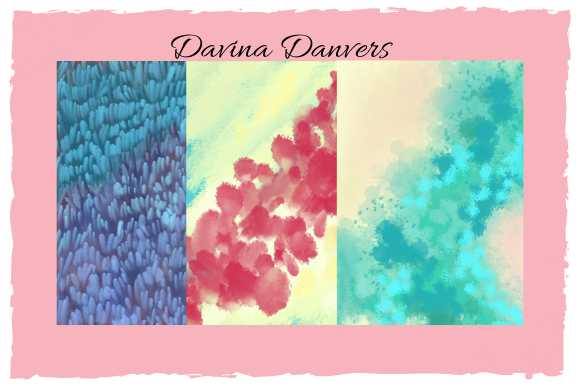
At its core, this product is a set of ten distinct, colorful abstract patterns, each rendered by hand. The hand-drawn nature means no two marks are perfectly identical, giving the patterns an organic, textured feel that is difficult to replicate with fully digital tools. The dual-file format is practical: the PDF serves as a master document for printing at full size, while the individual JPG files provide flexibility for digital compositing, resizing, or layering. The 300 DPI specification ensures that prints remain crisp and that details hold up in professional output, from flyers to fabric samples.
Unlike pattern collections that rely on vector geometry or algorithmic repetition, this set emphasizes irregularity and tactile warmth. Each pattern carries its own color palette and composition, making the pack a curated selection rather than a thematic series. This matters if you are looking for content that feels less like a template and more like an artist's original work.
Why Someone Might Consider This Resource
You might be drawn to Abstract Patterns 10 Pages 7 if your work values authenticity over perfection. Hand-drawn patterns can bring a human quality to branding, packaging, editorial design, or surface pattern design. The 10-page count offers enough variety to experiment with different looks without overwhelming your storage or budget. If you produce content on a deadline, having pre-made, high-resolution files ready to drop into a layout can save significant time compared to generating patterns from scratch.
Another common scenario is educational or personal exploration. Artists learning composition, color theory, or pattern repeat techniques can study these pages as examples of loose, expressive mark-making. The 8.5×11 inch size also makes them easy to print at home, which is convenient for mockups, mood boards, or physical swatch books.
Benefits and Tradeoffs to Weigh
Like any specialized asset, this collection has clear strengths and some limitations that depend on how you intend to use it.
Strengths You Can Expect
- High resolution: The 300 DPI JPGs allow for high-quality printing up to the native size, and even moderate enlargement in digital applications without visible pixelation.
- Hand-drawn texture: The organic linework and color blending give each pattern a distinctive, non-repetitive feel that stands out against stock vector graphics.
- Dual format flexibility: Having both PDF and JPG versions means you can work in print layout software, image editors, or simply view them in any standard reader.
- Immediate download: As a digital product, there is no shipping delay, and the files are ready to integrate into your workflow right away.
Potential Tradeoffs
- Fixed size: The 8.5×11 inch format is designed for US letter paper. If you need larger repeating patterns or seamless tiles for wide-format printing, you will need to manually extend or tile the images.
- No vector files: Because the patterns are hand-drawn and provided as raster images, you cannot edit individual strokes or scale them infinitely without quality loss. For projects requiring extreme enlargement or precise color changes, vector-based alternatives may be more suitable.
- Limited color control: Each pattern comes with its own pre-set color palette. If your project demands a specific brand color or monochromatic scheme, you may need to adjust the files in photo editing software, which can be time-consuming.
- Creative direction: The patterns reflect one artist's style. While that style is versatile, it may not align with every aesthetic, especially minimalist or highly geometric visual identities.
Scenarios Where This Collection Excels
Abstract Patterns 10 Pages 7 is a strong fit when your priority is adding expressive, handcrafted visuals to a project without commissioning original artwork. This is common in:
- Small-scale publishing: Zines, book covers, or internal reports that benefit from artistic backgrounds but have limited budgets for illustration.
- Product prototyping: Packaging mockups, textile samples, or product labels where a unique pattern can differentiate a concept.
- Digital content creation: Social media graphics, video thumbnails, or website hero images that need colorful, engaging backdrops. The JPG format allows direct upload to most platforms.
- Teaching and inspiration: Art educators or workshop facilitators may use these patterns to demonstrate hand-drawn texture, color interaction, or composition techniques.
In these contexts, the combination of ready-to-use files and artistic authenticity provides a clear advantage over generic pattern libraries or time-intensive original creation.
When Alternatives Might Serve You Better
There are situations where this specific pack may not be the optimal choice. If your work demands exact repeat patterns for seamless wallpaper or large-scale fabric printing, you will likely need dedicated seamless tile files or vector patterns that can be tiled infinitely. Similarly, if you require complete control over every color and stroke, a vector-based pattern set or custom commission would offer more flexibility.
Another consideration is file compatibility. While PDF and JPG are universal formats, some professional workflows (like certain CAD or high-end print production systems) prefer TIFF, EPS, or native illustrator files. If your pipeline requires those formats, you may need to convert the JPGs, which is possible but adds an extra step.
If your style leans heavily toward minimalism or strict geometry, the organic, colorful nature of these patterns might feel too busy or expressive. In that case, exploring monochrome line art or geometric vector packs could better match your visual language.
Practical Decision-Making Insights
To determine whether Abstract Patterns 10 Pages 7 aligns with your goals, ask yourself a few focused questions:
- What is the final output medium? If you are printing at 8.5×11 inches or smaller, the files are ready. For larger prints, factor in time to scale or tile the images.
- How much control do you need over the design? If you want to recolor, rotate, or edit individual elements, plan to work in a raster editor like Photoshop. If that is outside your comfort zone, look for vector-based options.
- Does the artist's style complement your project's tone? Review the included patterns carefully. The hand-drawn, colorful aesthetic works well for playful, creative, or warm projects but may clash with corporate, minimalist, or highly technical themes.
- Is the quantity right for you? Ten patterns provide variety without excess. If you need dozens of patterns for a large collection, you may need to combine multiple packs or build your own.
Understanding these factors helps you avoid buying assets that require heavy modification or that do not match the intended use case. The most efficient approach is to match the file format, resolution, and stylistic direction of your purchase to the requirements of your specific project.
Aligning the Resource with Your Needs
For designers, illustrators, and content creators who value tactile, original visuals and need high-resolution files that print well, Abstract Patterns 10 Pages 7 offers a practical, time-saving solution. The hand-drawn quality sets it apart from mass-produced digital patterns, and the dual PDF and JPG format supports both print and digital workflows. However, if your project requires seamless repeats, vector editability, or a very specific color palette, you should weigh those needs against what this collection provides.
By focusing on the balance between artistic authenticity and technical requirements, you can make an informed choice. The best asset is one that fits your process with minimal friction—and for many creative applications, this collection achieves that balance well.