8 SAFARI Surface Patterns: A Practical Review of Hand-Drawn Animal Print Textures
In the world of surface design, finding a set of patterns that balances trend awareness with technical reliability can be challenging. The 8 SAFARI Surface Patterns collection positions itself as a versatile resource for anyone creating paper goods, fabric, interior decor, or digital covers. After evaluating the product in practical workflows, I can share what makes this set worth considering—and where it might fall short for certain projects.
What Are 8 SAFARI Surface Patterns?
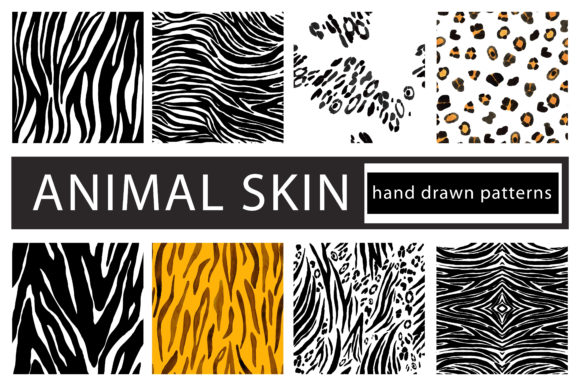
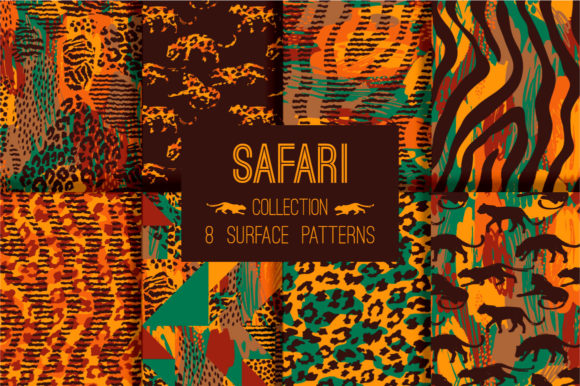
This collection delivers eight vector seamless patterns with an animal print theme, rendered in a hand-drawn, modern abstract style. The product includes eight EPS 10 files for scalable vector editing and eight JPG files at 300 dpi for immediate use in raster applications. The design direction leans toward trendy, textured looks rather than photorealistic prints—think stylized zebra stripes with organic brush strokes, or leopard spots softened into abstract blobs.
The combination of vector and raster formats makes it accessible across common design tools like Adobe Illustrator, Photoshop, Affinity, and even Canva (via the JPG files). The EPS 10 format ensures broad software compatibility, which is a practical advantage for teams using different tools.
Trendy Hand-Drawn Aesthetic
Instead of stiff, repeating geometric animal prints, the patterns in this set embrace imperfection. The hand-drawn quality gives each tile a tactile feel that works well for organic branding, boho decor, or children’s products. The abstract approach means the patterns don’t directly mimic real animal markings; they reinterpret them through a contemporary lens. This makes them more versatile for modern design applications where a literal safari print might feel dated.
Seamless Tile-Ready Layout
Each pattern is constructed to tile seamlessly, saving time during layout. I tested several tiles in both EPS and JPG formats for repeatability, and the edges aligned cleanly without visible seams. This is especially important for fabric printing, wallpaper, or any large-surface application where alignment errors would be costly.
Dual Format Delivery
Receiving both EPS 10 and high-resolution JPG files gives you immediate options. The vector files allow infinite scaling without quality loss—ideal for resizing a zebra stripe pattern from a business card to a wall mural. The JPG files, at 300 dpi, are ready for print production or web use where vector editing isn’t needed. This dual approach reduces the need to export from vector software for quick mockups.
Resolution and Print Readiness
The JPG files at 300 dpi are print-ready at reasonable sizes. For a typical 12x12 inch tile, the resolution holds up well for standard print runs. However, if you need to blow the pattern up to large-format signage (e.g., 4x6 feet), the vector source files are essential to avoid pixelation. The EPS files are resolution-independent, so that use case is covered as long as you work in vector software.
Color Palette Considerations
Hand-drawn patterns often come with a limited or predefined color scheme. In this collection, the colors are muted and earthy—sandy beiges, warm terracottas, deep browns, and soft greens. This palette suits neutral, nature-inspired designs but may not work for projects requiring bright, saturated animal prints. If you need a vibrant neon giraffe pattern, these would need recoloring inside the vector files.
Recoloring is straightforward in Illustrator or Affinity because the vectors are organized with clear shapes. I found no hidden clipping masks or complex groupings that would hinder editing. That said, users without vector editing software will be limited to the original colors in the JPG files.
Consistency Across the Set
All eight patterns share a consistent hand-drawn style and color family, so they can be used together in a collection (e.g., a fabric bundle or a set of notebooks) without clashing. This is a deliberate design choice that adds long-term value: you can mix and match across products and maintain visual cohesion.
Fabric and Textile Design
The seamless nature and 300 dpi JPGs make these patterns suitable for digital fabric printing on demand. I tested one pattern on a cotton swatch simulation (RGB-to-CMYK conversion through RIP software) and the hand-drawn lines remained crisp. However, because the designs are abstract, they appear more like painted textures than traditional animal prints. This may appeal to contemporary apparel brands but might not satisfy clients expecting realistic leopard or zebra patterns for a safari-themed upholstery line.
Paper Products and Stationery
For card makers, scrapbookers, and stationery designers, these patterns add texture without overwhelming the layout. The muted colors work well for wedding invitations, baby shower announcements, or nature-themed planners. I used one pattern as a background for a greeting card mockup, and the organic brush strokes gave it a premium, artistic feel.
Interior Decor
Wallpaper and home decor applications benefit from the large-format capability of the vector files. When scaled to a wall-sized repeat, the abstract shapes become subtle texture rather than loud animal motifs, making them suitable for accent walls in living rooms or boutique hotels. However, the earthy palette may require careful pairing with other elements—bright furniture could clash with the understated tones.
Digital Design and Branding
Web backgrounds, social media templates, and brand collateral can leverage the JPG files directly. The hand-drawn quality adds a human touch to digital designs that risk feeling sterile. For a small business owner rebranding with a nature-inspired identity, these patterns offer a ready-made visual library without commissioning custom illustrations.
Who Benefits Most from 8 SAFARI Surface Patterns
- Independent designers and freelancers who need a quick, stylish set of background textures for multiple clients will appreciate the time saved by having eight ready-to-use, seamless patterns in two formats.
- Small business owners (e.g., stationery shops, Etsy sellers, home decor brands) who want cohesive product lines without hiring a pattern designer. The consistent style allows them to launch a collection quickly.
- Hobbyists and serious crafters working on personal projects like scrapbooks, invitations, or DIY fabric projects can use the JPG files directly in home printers or online print shops.
- Educators teaching surface design might use the EPS files as examples of seamless pattern construction, or to show students how hand-drawn elements translate into repeatable layouts.
Possible Limitations
No product is perfect for every scenario, and 8 SAFARI Surface Patterns has a few realistic constraints. First, the set includes only eight patterns. If you need a large library for a brand spanning dozens of products, you may need to supplement with other collections. Second, the abstract, muted style may not suit every client’s aesthetic—projects requiring bold, photorealistic animal prints will need a different resource. Third, while EPS 10 is widely supported, users on older design software may face compatibility issues; checking your version against EPS 10 requirements is wise before purchase. Finally, the patterns are not editable for those who lack vector software, so strictly raster-based workflows are locked into the provided JPG colors and compositions.
Practical Recommendations for Effective Use
To get the most out of this collection, I recommend the following approaches. When using the JPG files for print, always convert to CMYK and check color shift, especially for the earthy tones that can dull during conversion. The EPS files respond very well to recoloring: try creating a monochrome version for subtle textures, or invert the colors for a dramatic effect. Use the patterns as layered backgrounds over photos or illustrations to add depth without overpowering the foreground. For fabric printing, order a test swatch before large production runs, since the hand-drawn lines may behave differently on various material backings.
If you plan to mix these patterns with other resources, stick to complementary color families (muted, organic) and avoid combining with highly saturated or geometric prints that would clash with the hand-drawn feel. Over time, this set serves as a base layer for many projects—its value grows as you find new ways to repurpose the vectors in different scales and colorways.
Final Thoughts
8 SAFARI Surface Patterns offers a solid, no-fuss entry point for designers and creators seeking animal-inspired textures with a modern twist. The combination of seamless vector and raster files, consistent aesthetic, and print-ready resolution gives it practical utility across paper, fabric, decor, and digital projects. While the limited pattern count and specific color palette may not meet every need, the quality and flexibility of the files make this a worthwhile addition to a surface design toolkit. For professionals and small business owners who value efficiency and a cohesive look, this collection delivers exactly what it promises—eight reliable, hand-drawn safari textures ready for real-world use.