Animal Skin Hand Drawn Patterns: A Designer’s Secret Weapon for Organic Impact
Great design often hangs on the smallest texture. You might have the perfect layout, a killer color palette, and tight typography, but if the surface feels flat, the whole piece can fall short. That’s where Animal Skin Hand Drawn Patterns comes into play. This isn’t a set of cold, repetitive digital tiles. Instead, you get a hand-drawn approach to organic textures that mimic the natural irregularity of real animal hides — without ever looking gimmicky or cartoonish.
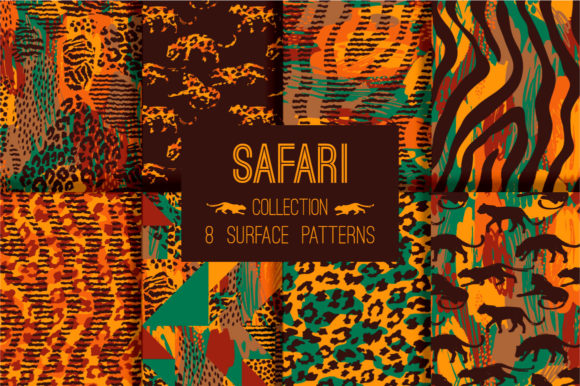
The set includes eight seamless vector patterns available in EPS, AI, and high-res JPEG formats (5000 × 5000 px at 300 dpi). Whether you work in Illustrator or Photoshop, you can drop these patterns into your projects and expect consistency across print and digital. Let’s explore what makes these patterns genuinely useful, where they work best, and how to get the most out of them.
Visual Character and Style: What Sets These Patterns Apart
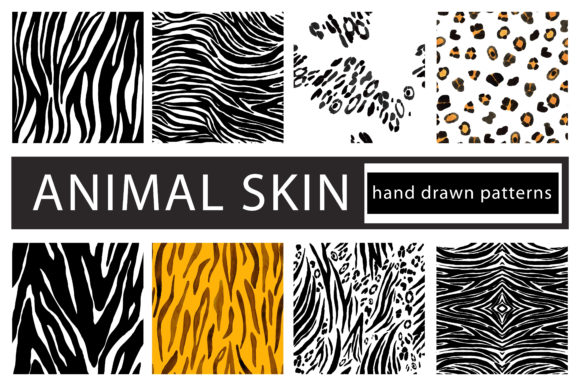
The first thing you notice is the hand-drawn quality. Unlike standard vector patterns that can feel mechanically perfect, these designs carry subtle variations in line weight, spacing, and form. You get the essence of zebra stripes, leopard rosettes, giraffe spots, snake scales, cheetah dashes, tiger stripes, cow patches, and reptile textures — all rendered with a sketch-like looseness that feels natural and alive.
The color palettes lean earthy and neutral, with warm browns, taupes, ochres, blacks, and creams. This makes them versatile across both bold and understated applications. The patterns are seamless, meaning you can tile them infinitely without visible repeats — essential for backgrounds, wrapping paper, fabric design, or web textures.
One important detail: the hand-drawn style avoids photorealism. These are not attempts to copy a National Geographic photo. Instead, they feel like an artist’s interpretation — slightly abstract, rhythmic, and full of character. This gives them a broader creative range. They work equally well in a bohemian branding project as they do in a wildlife-themed editorial spread.
Where These Patterns Deliver Real Value
Let’s talk about applications because that’s where theoretical style meets practical need. Animal Skin Hand Drawn Patterns are not just for animal-themed projects. In fact, some of their best uses might surprise you.
Brand Identity and Logo Design
Patterns can anchor a brand identity when used thoughtfully. A sustainable fashion label, an eco-tourism company, or a natural skincare line can use these textures as secondary brand elements — on packaging, business cards, or website backgrounds. The hand-drawn quality signals authenticity, which aligns with brands that want to feel artisanal rather than mass-produced.
For example, imagine a small-batch leather goods brand using the reptile scale pattern as a subtle emboss on a hang tag. It communicates texture without shouting.
Packaging and Product Design
Packaging designers often struggle to find patterns that feel premium yet approachable. These hand-drawn animal skin patterns hit that sweet spot. Use the leopard rosette pattern on a candle box, the snake scales on a stationery set, or the zebra stripes on a gift wrap collection. Because the patterns are seamless and high-resolution, they scale beautifully from tiny product labels to large display boxes.
One practical tip: pair a neutral animal pattern with a bright accent color in your packaging layout. The contrast keeps the design modern, not safari-themed.
Editorial and Print Design
Magazines, books, and brochures benefit from these patterns as section dividers, full-page backgrounds, or cover accents. The hand-drawn aesthetic adds a tactile feel to print. In a travel magazine feature about African wildlife, a subtle zebra stripe pattern behind text columns can reinforce the theme without overwhelming readability.
For publishers, the commercial license (which comes with the set) means you can use these patterns in paid publications without legal headaches. Always check the specific license terms, but this type of asset is typically cleared for commercial use.
Social Media Graphics and Web Design
In digital spaces, these patterns bring warmth and texture to an often- sterile environment. Use them as background textures for Instagram posts, YouTube thumbnails, or website hero sections. The high-resolution JPEGs (5000 × 5000 px) give you room to crop and scale without quality loss.
Because the patterns are vector-based in the AI and EPS files, you can also recolor them easily in Illustrator. Want a pink zebra stripe for a fashion influencer’s channel? Change the fill color in seconds. This flexibility is a huge time-saver for content creators who need to adapt assets across different brand palettes.
Influencing Readability, Hierarchy, and Brand Perception
Patterns do more than decorate — they shape how people perceive and interact with your content. Here’s how this set can affect your design outcomes.
Readability and Visual Hierarchy: Background patterns can easily compete with text. The hand-drawn animal skin patterns in this set are detailed enough to add interest but soft enough to sit behind typography when used at the right scale. A low-opacity version of the giraffe spot pattern behind headlines adds depth without reducing legibility. For body text, keep patterns subtle or use them in margins and borders.
Brand Perception: The hand-drawn quality inherently feels more human and less corporate. Brands using these patterns signal creativity, natural inspiration, and attention to detail. If your audience values craftsmanship and organic aesthetics, these patterns reinforce that identity. Conversely, if your brand is ultra-modern and minimalist, use the patterns sparingly — perhaps as a single accent element rather than a full background.
Consistency and Professionalism: Having eight matching patterns in one set ensures visual cohesion across your project. You don’t have to mix assets from different sources that might clash in style. The unified hand-drawn approach keeps everything feeling intentional. You can use the cow patch pattern on one page and the cheetah dash on another, and they will still feel like part of the same family.
Audience Engagement: Textured surfaces invite touch — even in digital spaces. Patterns that mimic natural materials create a sensory response. Viewers are more likely to pause, look closer, and remember the content. This is especially valuable in marketing materials where emotional connection drives action.
Choosing and Using These Patterns Effectively
Knowing when to use a pattern and how to integrate it is a skill that separates good design from great design. Here are some practical considerations.
Evaluate Project Fit
Ask yourself: does the project benefit from a natural, organic texture? If you’re designing for a wildlife brand, a safari company, a natural product line, or a bohemian lifestyle blog, these patterns are a natural fit. For corporate finance reports or legal documents, they are likely out of place. Context matters.
Also consider the audience. Younger audiences and creative industries tend to embrace pattern-heavy designs. Conservative industries might prefer more restrained use — a single pattern on a cover or as a subtle watermark.
Test Pattern Pairings
Just like font pairing, pattern pairing requires balance. These eight patterns can be mixed within one project, but avoid using more than two or three in a single layout to prevent visual chaos. For example, pair the leopard rosette (large, open shapes) with the zebra stripe (linear, dense) for contrast. The varied scales create rhythm.
You can also pair patterns with solid geometric shapes or minimal typography. The organic patterns become the focal point, and the clean lines provide breathing room.
Review Included Formats and Licensing
The set includes EPS, AI, and JPEG files, plus a PDF preview. The vector formats (EPS and AI) are essential if you plan to recolor or resize patterns without loss. The JPEG files are ready to use immediately for digital projects or print if you don’t need vector editing. At 5000 × 5000 px at 300 dpi, these JPEGs are large enough for most print applications, including posters and banners.
Commercial licensing is included, which means you can use the patterns in client projects, merchandise, and publications. Always verify the exact license terms from the seller, but typically these assets are cleared for both personal and commercial work.
Readability Considerations
When placing text over these patterns, adjust opacity, scale, and placement. A full-opacity zebra stripe behind small type will likely cause readability issues. Lower the pattern opacity to 10–20% or use a dark overlay. Alternatively, place text in a solid box over the pattern rather than directly on it.
One effective technique: use the pattern as a border or frame rather than a full background. This retains the texture while keeping the reading area clean.
Real-World Examples and Design Observations
I worked with a client last year who runs a small organic skincare brand. They wanted packaging that felt natural but not “earthy crunchy.” We used the snake scale pattern from this set on the back of the product box as a subtle texture, paired with a bold sans-serif label on the front. The result was sophisticated, slightly edgy, and still approachable. The hand-drawn quality kept it from looking like a reptile gimmick.
Another example: a travel blogger used the leopard pattern as a hero background on her website header. She reduced the opacity to 15%, added a warm gradient overlay, and placed her logo on top. The pattern added richness without distracting from the brand name.
One observation I often make: designers new to patterns tend to use them at full intensity across entire layouts. The real power of these animal skin patterns lies in restraint. A small dose in a strategic location — a corner accent, a divider line, a label background — often has more impact than a full-page texture.
Finally, don’t overlook the psychological effect. Animal skin patterns tap into a primal, nature-connected feeling. They remind people of the wild, of movement, of organic life. This can be a subtle but powerful emotional anchor in branding and storytelling.
Final Thoughts on Getting the Most from This Set
Animal Skin Hand Drawn Patterns offer a rare combination: the organic warmth of hand-drawn art with the technical reliability of seamless vector design. Whether you’re a designer building a brand identity, a marketer creating campaign assets, a publisher adding texture to editorial layouts, or a hobbyist working on a personal project, these patterns provide a versatile foundation.
Keep the hand-drawn aesthetic front and center in your thinking. These patterns are meant to feel natural, not perfect. Embrace the irregularity. Use them to add depth, tell a story, and create a tactile connection with your audience. When used thoughtfully, they can elevate your design from flat to memorable — without shouting for attention.
Start by experimenting with one pattern in a single project. Lower the opacity. Try it as a border. Recolor it to match your palette. You’ll quickly see why a set like this belongs in every designer’s asset library.