Exploring Clip Art Patterns for Dress: Versatile Design Elements for Fashion and Creativity
The Role of Clip Art Patterns in Modern Dress Design
Clip art patterns for dress have become an essential resource for fashion designers, textile artists, and hobbyists seeking to incorporate ready-to-use visual motifs into garments. These patterns, which range from intricate geometric shapes to organic floral arrangements, offer a shortcut to creative expression without requiring advanced drawing skills. The availability of pre-designed clip art patterns for dress means that anyone can experiment with different aesthetics, from vintage-inspired prints to contemporary abstract designs. In the context of current fashion trends, such patterns allow for rapid prototyping of ideas, enabling designers to visualize how a particular motif might look on a dress silhouette before committing to fabric. For example, a pattern featuring repetitive leaves and vines can instantly transform a plain dress into a botanical masterpiece, while a series of symmetrical diamonds might evoke mid-century modern elegance. The versatility of these patterns lies in their scalability and adaptability; they can be resized, recolored, and repositioned to suit various dress styles, including A-line, sheath, or wrap dresses.
Beyond professional fashion studios, clip art patterns for dress are widely used by educators in costume design courses and by individuals creating custom garments for events like weddings or themed parties. The ability to access patterns in digital formats means that users can preview the final look on a computer screen, adjusting hues and contrasts to match specific color palettes. This digital flexibility reduces material waste, as designers can test multiple pattern variations without printing or cutting fabric. Furthermore, the patterns serve as inspiration for original creations; a simple clip art pattern for dress might spark a new collection of textiles that combine tradition with innovation. The growing popularity of slow fashion and upcycling has also increased demand for such patterns, as sewers use them to revitalize secondhand clothing or create unique pieces from scratch.
Understanding the Included File Formats: EPS, AI, and JPG
The download described includes 4 clip art patterns for dress in three distinct file formats: EPS, AI, and JPG. Each format serves a different purpose in the design workflow, and understanding their characteristics is crucial for maximizing their utility. EPS (Encapsulated PostScript) files are vector-based, meaning the patterns consist of mathematically defined lines and curves rather than pixels. This allows for infinite scaling without loss of quality, making EPS ideal for printing on fabric at any size—from a small pocket design to a full dress print. AI files, which are native to Adobe Illustrator, also offer vector capabilities but with additional editing features such as layers and effect controls. Both EPS and AI files retain editable elements, enabling users to modify individual components of the pattern, such as changing the color of a single flower petal or rotating a geometric shape. JPG (or JPEG) files, on the other hand, are raster images composed of pixels. They are best suited for previewing patterns or using them in digital mockups where high-resolution detail is not critical. However, JPG files are not resolution-independent, so enlarging them beyond their original size may result in blurriness.
All files in the download are editable, which is a significant advantage for creators who wish to tailor the clip art patterns for dress to specific projects. For instance, a user might open an EPS file in vector editing software to adjust the spacing between motifs or combine patterns from different dress designs into a custom composition. The inclusion of multiple formats ensures compatibility across different operating systems and software applications. Designers working on a Mac with Adobe Creative Cloud can seamlessly open AI files, while those using open-source tools like Inkscape can work with EPS files. JPG files provide a quick-and-dirty option for those without vector software, though they limit deep customization. This multi-format approach democratizes access to high-quality clip art patterns for dress, allowing both seasoned professionals and beginners to engage with the content.
Practical Applications of Clip Art Patterns for Dress
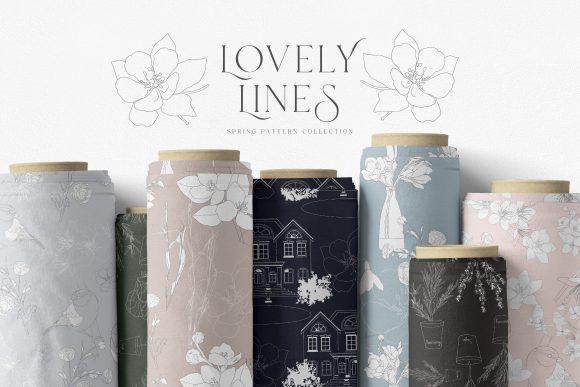
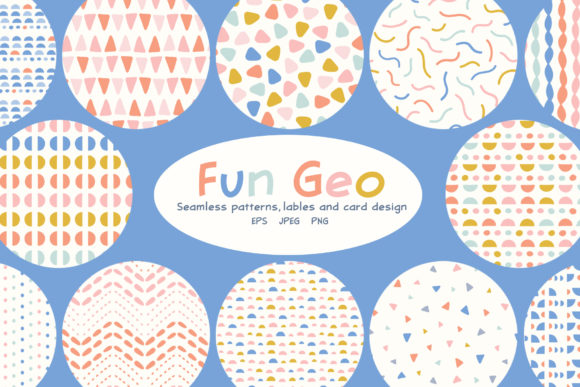
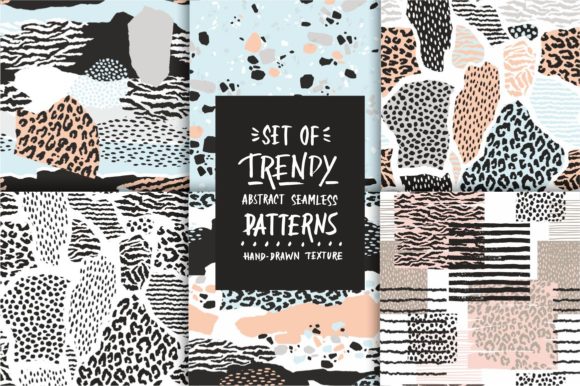
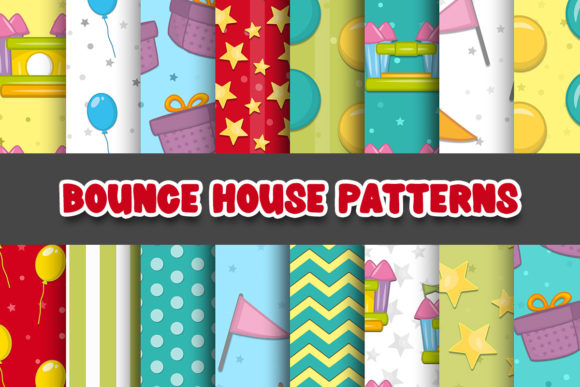
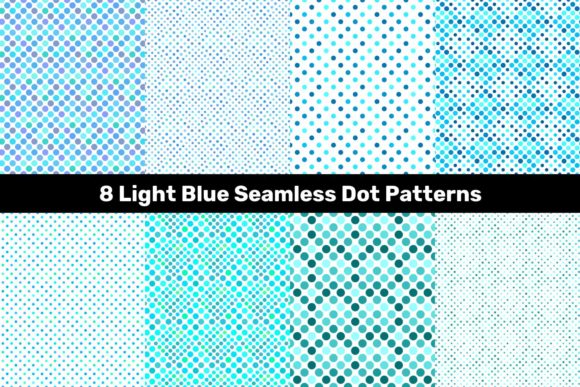
Clip art patterns for dress are not limited to mere decoration; they can drive the entire design narrative of a garment. Consider a dress intended for a summer garden party: a pattern of scattered wildflowers in pastel tones creates a light, airy feel, while a pattern of bold tropical leaves might convey a more dramatic, exotic vibe. Designers often use these patterns to establish a cohesive theme across a collection, repeating motifs in different scales or colorways. For example, the 4 clip art patterns for dress from the download could be used individually on separate dresses or combined in a single garment through techniques like patchwork or digital printing. Event planners and costume designers frequently leverage clip art patterns for dress to create uniforms or themed outfits quickly, such as for cultural festivals or theatrical productions. The patterns can also be applied to accessories like scarves, sashes, or headbands that complement the dress, creating a unified look.
E-commerce sellers and indie fashion brands benefit from clip art patterns for dress when building product listings. By applying pattern overlays to dress mockups—flat lays or mannequin photos—they can showcase multiple variations of a garment without producing physical samples. This is particularly useful for small-batch production, where inventory risk is lower. Additionally, the patterns serve as marketing collateral; a visually striking clip art pattern for dress can become the centerpiece of a brand's identity, featured on website banners, social media posts, and packaging. For pattern makers themselves, these clip art designs offer a foundation for teaching sewing or textile design, as they illustrate principles of alignment, repetition, and contrast. Hobbyists might use the patterns to create custom gifts, such as a hand-sewn dress for a child or a quilt incorporating dress-shaped patterns.
Tips for Editing and Customizing Pattern Files
- Start with vector files for flexibility: If you need to resize or recolor extensively, open the EPS or AI file in software like Adobe Illustrator or Affinity Designer. Vector files preserve crisp edges even when enlarged, ensuring the pattern remains sharp on fabric prints.
- Use layers for controlled modifications: Many AI files come with elements on separate layers. You can isolate a specific motif, change its color, or duplicate it to create a seamless repeat. This is especially useful when working with clip art patterns for dress that require symmetry or regular spacing.
- Consider the fabric type: Before finalizing a pattern, test it on a mock-up digital fabric texture. Patterns that look great on screen may lose detail on textured fabrics like linen or reproduce poorly on silk. Adjusting contrast and line weight in the file can compensate for these differences.
- Export in the correct format for your workflow: For digital previews, keep JPG files but ensure they are high resolution (300 DPI at print size). For actual printing, use EPS or AI to maintain quality. Some print-on-demand services accept PDF or TIFF, so convert your edited clip art patterns for dress accordingly.
- Preserve a backup of the original files: Since all files in the download are editable, save an unaltered copy before making changes. This allows you to revert to the original clip art pattern for dress if a customization doesn't work out, saving time and effort.
Optimizing Clip Art Patterns for Different Fabrics and Garments
When applying clip art patterns for dress to actual fabric, several factors influence the final appearance. Fabric weight and stretch affect how the pattern aligns at seams and gathers. For example, a large-scale pattern may lose its impact when pleated, while a small motif might become indistinguishable on a busy print. Designers should consider the scale of the clip art pattern for dress relative to the garment's dimensions. A dress with a long flowing skirt can accommodate larger, bolder patterns, whereas a fitted bodice benefits from smaller, more frequent repeats to avoid distortion. Color also plays a critical role; dark backgrounds may require patterns with high contrast to remain visible, while light backgrounds can handle delicate lines. The 4 clip art patterns for dress in the download vary likely in complexity and mood, allowing for matching with different fabric types—cotton for casual dresses, satin for evening wear, or jersey for activewear.
Printing techniques, such as sublimation, screen printing, or direct-to-garment, also dictate how the pattern is applied. Sublimation works best on polyester fabrics and requires pattern files to be mirrored. Screen printing involves creating stencils, which is easier with vector clip art patterns for dress because they can be precisely separated by color. For home sewers, heat transfer paper is a common method, but it requires the pattern to be printed in reverse. Understanding these technical details ensures that the clip art pattern for dress translates accurately from digital file to finished garment. Additionally, users should check the seam allowance placement in the pattern file; some designs may need to be tiled or repeated to cover larger areas without gaps. By optimizing the clip art patterns for dress for specific production methods, creators can achieve professional-looking results with minimal trial and error.
Why Designers and Hobbyists Choose Editable Pattern Files
The decision to use clip art patterns for dress from a download that includes editable EPS, AI, and JPG files stems from the need for control and efficiency. In a fast-paced industry, time is money, and having a library of adjustable patterns allows designers to respond quickly to trends. For instance, if a color forecast shifts from cool blues to warm corals, a designer can open the AI file and update the pattern's palette in minutes, rather than hand-drawing a new motif. This adaptability also encourages experimentation; a designer might take a single clip art pattern for dress and create a dozen variations—each suitable for a different customer demographic or season. Hobbyists appreciate the low barrier to entry: they don't need to master illustration skills to produce wearable art. The editable nature of the files means that even a novice can tweak a pattern to fit a specific dress pattern, such as aligning the pattern along the center front seam.
Another advantage is the reusability of the files. The same clip art patterns for dress can be used across multiple projects, from a dress to a coordinating handbag or a lining for a jacket. This extends the value of the download, as users can amortize the cost over several creations. In educational settings, instructors can distribute these files to students for assignments, allowing them to focus on construction techniques rather than surface design. The combination of vector and raster formats also future-proofs the patterns; if a user upgrades software, the EPS and AI files remain compatible, while JPG files serve as reliable fallbacks. Ultimately, the choice to offer 4 clip art patterns for dress in editable formats reflects a user-centered approach to design resources, acknowledging that creativity flourishes when barriers to modification are minimized.
Integrating Clip Art Patterns with Digital Design Tools
Modern design workflows often involve multiple software programs, and clip art patterns for dress must integrate smoothly. For example, a designer might edit a pattern in Adobe Illustrator, then import it into CAD software like CLO 3D or Marvelous Designer to simulate how the pattern drapes on a virtual dress. The vector nature of EPS and AI files facilitates this transfer, as vector shapes retain their properties during import. Users can also layer patterns onto photographs of dresses using photo editing software like Photoshop, creating realistic mockups for client presentations or social media. The 4 clip art patterns for dress in the download can be rotated, skewed, or scaled non-uniformly to match the perspective of a garment image. This capability is particularly useful for custom orders, where a customer wants to see how a pattern looks on a specific dress silhouette before purchase.
Digital pattern libraries often require organization. Users should group similar clip art patterns for dress by theme—floral, geometric, tribal, or abstract—to streamline access. Some software allows for creating brushes or swatches from these patterns, enabling repeated application across different garments. For instance, once a cluster of clip art patterns for dress is defined as a pattern swatch in Illustrator, it can fill any shape instantly, saving time on manual placement. The editable files also allow for mixing elements from different patterns; a designer might combine the border of one pattern with the center motif of another. This cross-pollination can lead to unique hybrid designs that feel fresh and original. By leveraging the digital tools available, users can maximize the potential of their clip art patterns for dress, transforming simple downloads into comprehensive design systems.
Observations on Trends and Future Uses
The use of clip art patterns for dress continues to evolve with technology. With the rise of on-demand printing and maker culture, there is increasing demand for patterns that are both customizable and shareable. Social media platforms like Pinterest and Instagram have fueled interest in unique dress designs, and clip art patterns serve as sources of inspiration for DIY communities. The 4 clip art patterns for dress in this download likely reflect contemporary aesthetics—perhaps including tropical leaves, mid-century dots, bohemian florals, or minimalist stripes. As sustainability gains traction, these patterns enable upcycling: an old dress can be reimagined by printing a new clip art pattern onto fabric and sewing a removable overlay. In the future, augmented reality apps may allow users to visualize clip art patterns for dress on their own body in real time, further personalizing the shopping experience.
For educators, these patterns are tools for teaching color theory, repeat design, and textile history. Researchers studying fashion trends might analyze the motifs used in clip art patterns for dress to understand cultural shifts. Business owners in small fashion labels rely on such resources to maintain brand consistency without hiring full-time graphic designers. The broad appeal of clip art patterns for dress lies in their accessibility: they democratize design, allowing anyone with a computer and a printer to create professional-looking garments. As long as the files remain editable and format-agnostic, they will continue to serve a wide audience, from the at-home sewer to the avant-garde fashion house. The key is to approach these patterns not as final products but as starting points for creativity, ready to be molded into something uniquely personal.